The Impact of Recreational Cannabis Sales on Local Economies: Insights from Dispensary Harlem

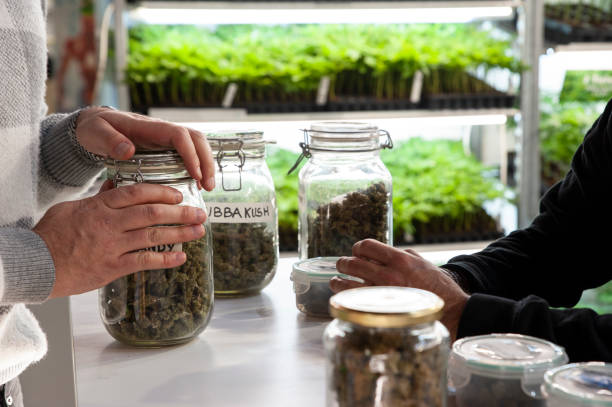
The process of choosing and buying cannabis. Asian woman sniffs cannabis product in glass jars presented by an employee while in shop. cannabis dispensary stock pictures, royalty-free photos & images

The legalization and sale of recreational cannabis have had significant effects on both local and national economies. Across regions that have embraced legislation for recreational use, the economic impact has been evident in areas like job creation, tax revenue, and the growth of ancillary industries.

Tax Revenue Growth

  • Excise taxes: A fixed percentage or flat rate applied to cannabis sales.
  • Sales taxes: Standard retail taxes added to the purchase price.
  • Cultivation taxes: Levied on growers based on the weight or type of cannabis plants.
State 2022 Cannabis Tax Revenue (Millions) Percentage Change from 2021
California $1,000 +10%
Illinois $445 +15%
Colorado $325 +8%

These funds are often allocated to public programs such as education, infrastructure projects, healthcare initiatives, and community development efforts.

Job Creation

  • Cultivation and agriculture: Grow facilities require labor for planting, harvesting, and maintenance.
  • Manufacturing and processing: Employees are needed to extract oils, produce edibles, and package products.
  • Retail operations: Dispensaries rely on staff for customer service roles like budtenders and managers.
  • Logistics and distribution: Transporting products requires compliance with strict regulations.

According to a report by Leafly in 2023, the legal cannabis industry supported over 428,000 full-time-equivalent jobs in the United States alone.

Ancillary Industries Benefit

  1. Technology providers, offering software solutions for supply chain management or point-of-sale systems.
  2. Security services, as dispensaries require advanced systems to ensure compliance with local regulations.
  3. Real estate, with increased demand for cultivation spaces, warehouses, and retail storefronts.
  4. Marketing agencies, which help brands navigate advertising restrictions while reaching target demographics.

Economic Ripple Effects

Beyond direct profits from sales or related businesses, recreational cannabis contributes indirectly to local economies through increased tourism. States like Colorado have seen a rise in visitors drawn by legal access to high-quality products. These tourists spend money not only at dispensaries but also at hotels, restaurants, and attractions.

Challenges That Persist

  • High taxation rates can drive consumers toward the illicit market.
  • Federal prohibition creates barriers for banking services within the industry.
  • Oversaturation in some markets may reduce profitability for businesses.

Despite these hurdles, it’s clear that recreational cannabis sales play a crucial role in driving economic growth at both grassroots levels (local communities) and broader national scales.

Exploring the Economic Impact of Recreational Cannabis Legalization on a Cannabis Dispensary in Harlem

Recreational cannabis legalization has had widespread economic implications at both local and national levels. With increasing numbers of states and countries embracing this shift, the economic benefits continue to grow. From tax revenues to job creation, the cannabis industry has become a significant contributor to many economies.

Tax Revenue Growth

Legalizing recreational cannabis has provided governments with substantial tax revenue. States like Colorado, California, and Washington have seen billions of dollars in tax collections since legalization. This funding is often reinvested into critical public services such as infrastructure, education, and healthcare.

State Year Legalized Total Tax Revenue (2022)
Colorado 2014 $425 million
California 2018 $1 billion+
Washington 2012 $559 million

Programs funded by cannabis taxes often focus on community development initiatives or drug abuse prevention, helping to mitigate some societal concerns surrounding legalization.

Job Creation and Economic Opportunities

  • Cultivation: Growers, trimmers, and quality control specialists.
  • Dispensaries: Budtenders, store managers, and inventory control staff.
  • Manufacturing: Extraction technicians and product developers.
  • Technology: Software developers specializing in compliance or supply chain management.
  • Professional Services: Lawyers focusing on cannabis regulation or accountants managing taxation complexities.

According to a report by Leafly in 2023, the legal marijuana industry supports over 420,000 full-time jobs in the United States alone.

Boosting Local Economies

Cannabis legalization can also lead to revitalization in urban areas by replacing illicit market operations with legitimate businesses. Dispensaries often attract foot traffic that benefits surrounding businesses like restaurants or other retail establishments. In rural areas where economic opportunities might be limited due to declining industries (e.g., agriculture or manufacturing), cannabis cultivation facilities have provided new pathways for growth.

  • Property values in areas with licensed dispensaries tend to increase.
  • Tourism related to recreational cannabis contributes positively through hospitality services.

Challenges Facing Economic Growth

  1. Lack of federal legalization in some regions limits interstate commerce potential.
  2. High taxes on legal cannabis products can drive consumers back toward illicit markets.
  3. Regulatory inconsistencies between states complicate business operations for multi-state operators (MSOs).

Efforts are underway at both state and federal levels to streamline regulations while addressing these hurdles systematically.

Legalizing recreational cannabis represents an evolving shift with far-reaching economic implications. By understanding its fiscal impacts—such as tax revenues—and fostering sustainable job creation models across industries, governments can leverage this sector for continued growth while addressing potential obstacles proactively.

Bright neon signage of a cannabis cafe along busy Silom Road, near Sala Daeng BTS Station, Bangkok Bangkok, Thailand – January 09, 2023: In Thailand, Cannabis, known by the name Ganja was decriminalized in 2022, and weed cafes and dispensaries have since become common across the country cannabis dispensary stock pictures, royalty-free photos & images

Exploring the Economic Impact of Recreational Cannabis Legalization at a Weed Dispensary Harlem

The legalization of recreational cannabis has had a profound effect on economies at both the local and national levels. By generating significant tax revenue, creating jobs, and fostering new business opportunities, this emerging industry has proven to be a powerful economic driver. Below, we explore the various ways recreational cannabis legalization is shaping economic landscapes.

Tax Revenue Generation

One of the most immediate and measurable impacts of cannabis legalization is the increase in tax revenue. States that have legalized recreational cannabis often impose excise taxes, sales taxes, and licensing fees. These funds are typically allocated to essential public services such as education, healthcare, infrastructure improvements, and law enforcement.

  • Colorado: As one of the first states to legalize recreational cannabis, Colorado collected over $2 billion in tax revenue since 2014.
  • California: With its large population and thriving cannabis market, California generated $1.3 billion in tax revenue from recreational cannabis sales in 2021 alone.
State Year Legalized Tax Revenue (2021)
Colorado 2014 $423 million
California 2016 $1.3 billion
Illinois 2020 $424 million

Job Creation Opportunities

  • Cultivation: Growers and agricultural workers are needed to cultivate plants.
  • Manufacturing: Positions in product development for edibles, concentrates, and other forms of cannabis.
  • Retail: Dispensary employees such as budtenders provide customer service.
  • Logistics: Transporting products across supply chains requires drivers and distribution staff.

According to recent studies, there were over 400,000 full-time jobs in the U.S. cannabis industry by early 2023—a number that continues to rise as more states legalize recreational use.

Boosting Ancillary Industries

  • Real Estate: Demand for warehouses and retail spaces has surged due to cultivation needs and dispensaries.
  • Technology: Software platforms for compliance tracking, inventory management, and e-commerce have seen rapid innovation.
  • Marketing & Branding: Cannabis companies require specialized advertising strategies within highly regulated markets.

Economic Benefits on a National Scale

  1. Reduction in Law Enforcement Costs
    The decriminalization of marijuana-related offenses reduces government spending on policing and incarceration. These savings can then be redirected toward other community initiatives.
  2. Tourism Growth
    Cannabis-friendly states such as Oregon or Nevada attract tourists interested in exploring dispensaries or attending marijuana-related events.
  3. Increased Investment Opportunities
    Institutional investors have begun recognizing the potential profitability of legal cannabis markets as federal legalization discussions progress.

Challenges That Could Impact Long-Term Economic Success

  • Regulatory inconsistencies between states may complicate interstate commerce if federal legalization occurs.
  • Banking restrictions force many businesses to operate primarily on cash systems.
  • Social equity concerns highlight disparities in access among underrepresented communities within the industry.

Legalizing recreational cannabis presents unique challenges but even greater opportunities for economic growth when implemented thoughtfully—an evolution worth tracking closely over time.

Exploring How a Marijuana Dispensary Harlem Can Boost Local Economies

The legalization of recreational cannabis has emerged as a significant driver of economic activity, providing benefits to both urban and rural areas. By creating jobs, generating tax revenue, and fostering regional development, the cannabis industry has become a key contributor to local economies. Below is an exploration of how legal cannabis drives economic growth in diverse geographic settings.

Job Creation Across Urban and Rural Areas

Legalization has spurred job opportunities across various stages of the cannabis supply chain. From cultivation to retail, employment opportunities are being created in locations across the country.

  • Dispensaries: Cities have seen a surge in dispensaries opening, contributing to retail job growth.
  • Administrative Roles: Many urban-based cannabis companies hire for marketing, compliance, and administrative roles.
  • Ancillary Services: Industries like security, legal services, and technology also benefit from an urban demand for support services.
  • Cultivation Jobs: Many rural regions are benefiting from large-scale cultivation operations that require workers for planting, processing, and packaging.
  • Infrastructure Development: The establishment of grow houses or facilities often leads to improved infrastructure in rural communities.
Sector Urban Jobs Rural Jobs
Retail/Dispensaries Cashiers, Budtenders Limited Presence
Cultivation Indoor Grow Operations Outdoor Farms
Manufacturing Edible & Product Production Raw Material Processing
Ancillary Services Marketing Professionals Logistics & Distribution

Tax Revenue Supporting Local Development

Legal cannabis generates substantial tax revenues that are reinvested into communities. These funds have been directed toward improving public services such as education, healthcare, transportation infrastructure, and more.

  • Urban municipalities often allocate cannabis tax revenue toward affordable housing initiatives or city infrastructure upgrades.
  • In rural areas where revenue streams may be fewer, the additional income supports community development projects like building schools or improving roads.
Real-Life Examples:
  1. In Colorado (one of the first states to legalize recreational cannabis), a significant portion of tax revenue has gone toward public education projects through the Building Excellent Schools Today (BEST) program.
  2. California’s smaller agricultural towns have seen revitalization efforts funded by taxes collected from vast outdoor grow operations.

Revitalizing Economically Depressed Regions

Cannabis legalization has also proven instrumental in revitalizing areas hit hard by economic downturns or deindustrialization.

  • Neighborhoods with high unemployment rates have benefited from dispensary openings that create local jobs and attract foot traffic.
  • Vacant commercial spaces have been repurposed into thriving dispensaries or production facilities.
  • Struggling agricultural towns have transformed into hubs for hemp or marijuana cultivation.
  • Small businesses supporting farming equipment or irrigation systems experience a corresponding boost in demand.

Challenges and Considerations

  1. Regulatory compliance costs can burden small businesses.
  2. Access to banking remains limited due to federal restrictions in some countries.
  3. In rural regions specifically, environmental concerns like water usage for large-scale cultivation operations must be carefully managed to avoid harm to local ecosystems.
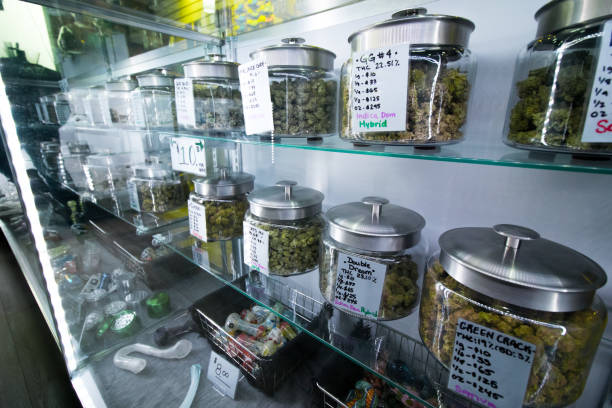
Selection of cannabis and legal medical recreational retail store Selection of medical recreational cannabis at a legal retail store cannabis dispensary stock pictures, royalty-free photos & images

Final Thoughts on Economic Growth Through Cannabis Legalization

The legalization of recreational cannabis offers opportunities for both urban centers seeking new industries and rural areas looking for revitalization strategies. Thoughtful regulation paired with community involvement will ensure this industry not only boosts economies but does so sustainably while addressing potential challenges effectively.

Discover the Rise of the Recreational Dispensary Harlem Scene and Its Impact on Growth

The cannabis industry has undergone a profound transformation over the past decade. As more states and countries legalize recreational and medical cannabis, the sector has shifted from being stigmatized to becoming one of the fastest-growing industries globally. This evolution offers a wealth of opportunities for growth and expansion, driven by changes in consumer behavior, technological advancements, and regulatory frameworks.

Expanding Market Demographics

  • Medical Patients: With ongoing research into cannabis’ therapeutic benefits, more patients are turning to it for relief from chronic pain, anxiety, inflammation, and other ailments.
  • Recreational Users: Legalization has made cannabis more accessible to casual users seeking relaxation or social experiences.
  • Non-Traditional Consumers: Products like CBD-infused beverages, edibles, and skincare attract health-conscious individuals or those skeptical of traditional smoking methods.

This diversity in consumer profiles presents businesses with opportunities to tailor products to specific needs while broadening their appeal.

Innovative Product Development

  • Edibles: Gummies, chocolates, beverages
  • Concentrates: Vapes, oils
  • Topicals: Creams, lotions
  • Wellness Products: CBD-infused supplements

These innovations allow businesses to differentiate themselves in an increasingly competitive market while meeting demand for diverse consumption methods.

Product Type Growth Potential (2023–2028) Target Market
Edibles High Younger demographics
Concentrates Medium Experienced consumers
Topicals Moderate Wellness-focused users
Wellness Products High Health-conscious individuals

Job Creation Across Industries

  1. Agriculture – Cultivation specialists and genetic researchers
  2. Manufacturing – Product processing and packaging roles
  3. Technology – Cannabis-specific software solutions
  4. Retail – Budtenders, store managers
  5. Marketing – Branding experts who help businesses navigate regulations

Estimates suggest that by 2025 the U.S. cannabis market alone could support over one million jobs nationally.

International Expansion

As global attitudes toward legalization soften—particularly in Europe and parts of Asia-Pacific—the opportunity for international trade is growing rapidly. Companies with scalable business models can enter untapped markets where demand is emerging.

However, challenges such as differing regulations across borders remain significant hurdles.

Challenges Shaping Growth Opportunities

Despite its potential for expansion: – Regulatory uncertainty remains a barrier. – Accessing capital can be difficult due to federal restrictions in certain regions. – Oversupply issues plague some markets leading to price instability.

By addressing these challenges head-on through policy reform or technological innovation companies within this dynamic industry stand positioned well toward sustained profitability

How Recreational Cannabis is Transforming Businesses and Communities

The legalization of recreational cannabis has brought significant changes to businesses and communities across the world. As more states and countries adopt policies promoting legal cannabis, the ripple effects are being felt in various sectors, fostering economic growth, entrepreneurship, and social change. Below is an exploration of how this transformation is taking place.

Economic Opportunities for Businesses

  • Cultivation and Production: The demand for high-quality cannabis products has created opportunities for growers, processors, and manufacturers.
  • Retail Operations: Dispensaries have become a cornerstone of local economies, offering not only cannabis products but also experiences tailored to consumers.
  • Technology Startups: From seed-to-sale tracking software to e-commerce platforms, tech companies are finding ways to optimize operations in the cannabis sector.
  • Accessory Markets: From vaporizers to branded merchandise, there’s been a proliferation of businesses catering to cannabis-related lifestyle products.

Job Creation

Recreational cannabis has also led to significant job creation across various sectors. According to industry reports, tens of thousands of jobs have been added annually in regions where recreational use is permitted.

Sector Example Roles
Cultivation Growers, quality control specialists
Manufacturing Extraction technicians, packaging operators
Retail & Dispensary Budtenders, store managers
Logistics Distribution drivers

These job opportunities span different skill levels and offer competitive wages in many cases.

Tax Revenue Supporting Communities

  • Education initiatives
  • Health care services
  • Infrastructure improvements
  • Substance abuse treatment programs

For example: – Colorado allocated over $400 million in marijuana tax revenue from 2014–2022 toward public education systems. – Illinois used $31 million from its first-year sales tax revenue for mental health services and local reinvestment plans.

Social Equity Efforts

  1. Expunging prior marijuana-related convictions.
  2. Providing licenses or resources to minority-owned businesses.
  3. Reinvesting in communities disproportionately affected by past drug policies.

Through these efforts, communities are seeing steps toward rectifying historical inequalities while encouraging diversity within the industry.

Revitalization of Urban and Rural Areas

  • Urban Areas: Dispensaries often attract foot traffic that supports surrounding small businesses like cafes or boutique shops.
  • Rural Areas: Cannabis cultivation has given struggling agricultural regions a renewed purpose by converting farmland for growing operations.

Challenges and Future Potential

While the benefits are clear, businesses and communities still face challenges such as regulatory compliance costs or banking restrictions due to federal laws in certain regions. However, innovations such as public-private partnerships could further enhance community development tied to this growing sector.

Recreational cannabis continues transforming local economies while contributing positively at multiple levels—business expansion, job creation, social equity efforts—all while generating valuable tax revenue for reinvestment into society’s future needs.


Tags:

Overcoming Supply Chain Challenges for a Cannabis Dispensary in Harlem

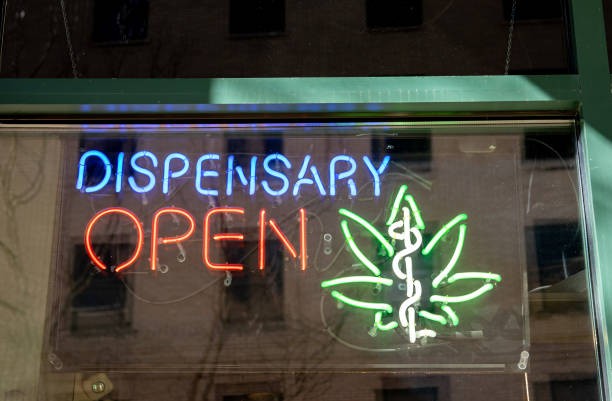
Medical marijuana dispensary sign Neon sign advertising legal, medical marijuana dispensary in store window. cannabis dispensary stock pictures, royalty-free photos & images

The medical cannabis supply chain is a complex ecosystem that requires precision, efficiency, and compliance with regulatory frameworks. However, various challenges often arise, creating bottlenecks that affect the availability and quality of medical cannabis products for patients. Below, we explore key supply chain challenges and strategies to address them effectively.

Key Challenges in the Medical Cannabis Supply Chain

  1. Regulatory requirements differ by jurisdiction, making it difficult for producers, distributors, and dispensaries to maintain compliance across regions.
  2. Changes in laws or guidelines can disrupt operations and require rapid adaptation.
  3. Ensuring consistent product quality is crucial given the therapeutic nature of medical cannabis.
  4. Inadequate testing or lack of standardized procedures can result in products that don’t meet safety or efficacy standards.
  5. Many small to medium-sized cultivators face difficulties scaling up due to limited resources or infrastructure.
  6. Expanding operations while maintaining compliance is a significant challenge.
  7. Maintaining a transparent record of the product journey from seed to sale is essential but often hindered by outdated systems.
  8. Traceability gaps can lead to counterfeit products entering the market.
  9. Delays in transportation due to stringent protocols can impact the freshness and availability of cannabis products.
  10. Lack of specialized logistics providers for controlled substances adds complexity.

Strategies to Overcome Supply Chain Challenges

  • Adopt Advanced Track-and-Trace Solutions
    Implementing technologies like blockchain ensures end-to-end transparency across the supply chain, reducing risks associated with counterfeit products. Blockchain-based systems create immutable records of every transaction while boosting trust among stakeholders.
  • Invest in Quality Assurance Programs
    Regular laboratory testing and compliance with Good Manufacturing Practices (GMP) help ensure product safety and consistency. Partnering with accredited third-party labs adds an additional layer of assurance.
  • Leverage Automation Technology
    Automation tools such as AI-driven inventory management systems can streamline production planning, demand forecasting, and distribution processes.
  • Foster Collaboration Across Stakeholders
    Building strong partnerships between cultivators, processors, dispensaries, logistics providers, and regulators ensures smoother operations. Open communication aligns goals across all levels of the supply chain.

A Quick Comparison: Traditional vs Modern Solutions

Aspect Traditional Approach Modern Solutions
Traceability Manual record-keeping Blockchain-based digital tracking
Quality Testing Limited on-site checks AI-assisted lab analysis
Compliance Management Reactive adjustments Proactive monitoring using analytics
Logistics Handling Generalized transport services Specialized controlled-substance carriers

Why Addressing These Challenges Matters

A robust medical cannabis supply chain directly impacts patient outcomes by ensuring timely access to high-quality products. Additionally, improving efficiency helps reduce operational costs while maintaining regulatory compliance—benefiting businesses as well as consumers.

By identifying weak points within the supply chain early on and embracing innovative solutions like blockchain technology or AI-driven systems, dispensaries can provide patients with safe, reliable access to therapeutic cannabis while staying ahead in a rapidly evolving industry landscape.

Discover the Role of a Weed Dispensary Harlem in the Evolution of Medical Marijuana

Medical marijuana has been a topic of significant interest and debate for decades. Its journey from ancient herbal remedies to its current role in modern medicine is a story of cultural shifts, scientific exploration, and regulatory evolution. This section delves deeper into what medical marijuana is, its historical context, and where it might be heading in the future.

Definition of Medical Marijuana

  • Cannabidiol (CBD):A non-psychoactive compound known for its anti-inflammatory and anti-anxiety properties.

Each form is prescribed based on the patient’s specific condition and needs.

Historical Background

Era Event
Ancient Times Cannabis was used in traditional Chinese medicine around 2737 BCE for ailments like gout and arthritis.
Ancient Egypt & India Texts like the Ebers Papyrus (circa 1550 BCE) mentioned cannabis remedies for inflammation.
19th Century Western medicine embraced cannabis extracts to treat migraines, epilepsy, and muscle spasms.
Early 20th Century Global prohibition began with regulations like the 1937 U.S. Marihuana Tax Act banning its usage.
Late 20th Century Activism led to re-evaluation; California legalized medical use with Proposition 215 in 1996.

Throughout history, societal perceptions have fluctuated between medicinal reverence and legal prohibition.

Current Trends in Medical Marijuana Usage

  • It is now approved to treat conditions such as chronic pain, epilepsy (e. g. , Dravet Syndrome), multiple sclerosis spasticity symptoms, chemotherapy-induced nausea/vomiting (CINV), among others.
  • Several countries have legalized or decriminalized its medical usage—examples include Canada fully legalizing cannabis in 2018.

Emerging research focuses on isolating specific cannabinoids or terpenes for tailored treatments targeting immune disorders or neurological conditions.

Future Projections

  1. Technological Integration:Innovations like AI-driven strain recommendations personalized by genome markers will emerge.
  2. Pharmaceutical Development:Enhanced cannabinoid-based medicines could rival opioids without risks inherent therein.
  3. Global Market Expansion:Analysts project exponential growth as more nations adopt comprehensive legalization frameworks by addressing stigma barriers universally.

The interplay between evolving scientific discoveries combined w/ public-health-focused governance ensures continued relevance globally moving forward

Unveiling the Role of a Marijuana Dispensary in Harlem: History, Definition, and Future Trends

Medical marijuana has emerged as a transformative force in healthcare and wellness, but its journey has been long and complex. Understanding its definition, historical significance, and future potential can provide valuable insights into this evolving industry.

What is Medical Marijuana?

Medical marijuana refers to the use of cannabis or its chemical components—such as cannabinoids like THC (tetrahydrocannabinol) and CBD (cannabidiol)—for therapeutic purposes. It is prescribed by healthcare professionals to alleviate symptoms associated with various medical conditions, including chronic pain, epilepsy, multiple sclerosis, anxiety disorders, and cancer-related side effects.

  • THC: Known for its psychoactive effects and ability to relieve pain and stimulate appetite.
  • CBD: Non-intoxicating and recognized for its anti-inflammatory and anti-anxiety properties.
  • Terpenes: Aromatic compounds that may contribute to therapeutic effects through the “entourage effect” when combined with cannabinoids.

A Brief Historical Overview

Cannabis has been used for medicinal purposes for thousands of years across different cultures.

Time Period Usage/Significance
Ancient Times Used in Chinese medicine as early as 2700 BCE for pain relief and inflammation management.
Medieval Period Introduced to Europe for treating ailments like epilepsy, migraines, and nausea.
19th Century Cannabis-based tinctures became common in Western medicine.
20th Century Prohibition began due to political factors despite evidence supporting its medical applications.
Late 20th Century Research resurged; the first U.S. state legalized medical cannabis (California’s Prop 215 in 1996).

Current Trends in Medical Marijuana Use

Medical marijuana is now legal in many regions globally. Its adoption continues to grow due to evolving perspectives on patient care and scientific research.

  1. Increased Research: Ongoing studies are exploring how specific cannabinoids can treat conditions like PTSD or neurodegenerative diseases.
  2. Personalized Medicine: Advances in genetic testing are enabling tailored cannabis treatment plans based on individual responses.
  3. Broader Applications: Beyond managing pain or nausea, cannabis is being investigated for autoimmune diseases, mental health disorders, and even pediatric epilepsy.

Jars full of dried cannabis flowering tops, on a table. Seller and buyer. Jars full of dried cannabis flowering tops, on a table. Seller and buyer during purchase. cannabis dispensary stock pictures, royalty-free photos & images

Future Projections

  • Blockchain solutions may enhance supply chain transparency.
  • Artificial intelligence could optimize dosage recommendations based on patient data.
  • As more countries legalize medical marijuana at federal levels, accessibility will improve globally.
  • Standardized regulations could lead to higher-quality products being manufactured consistently.
  • According to market research firms, the global medical cannabis market could exceed $50 billion by 2030.
  • Increased investment in R&D by pharmaceutical companies signals long-term opportunities for innovation.

By building on both historical knowledge and modern technology while adhering to ethical guidelines, the medical marijuana industry holds immense potential not only as a therapeutic option but also as a catalyst for broader shifts within healthcare systems worldwide.

How Blockchain and AI Are Transforming Track and Trace Solutions in Dispensary Harlem

The integration of blockchain technology and artificial intelligence (AI) is rapidly transforming the cannabis industry, particularly in the realm of track-and-trace solutions. As dispensaries face increasing regulatory scrutiny and consumer demand for transparency, these innovative technologies offer efficient, secure, and scalable tools to enhance operations.

How Blockchain is Transforming Track-and-Trace Systems for a Recreational Dispensary Harlem

Blockchain is a decentralized ledger system that records transactions across multiple computers to ensure transparency, security, and immutability. Its adoption in dispensaries addresses the critical need for precise product tracking from seed to sale.

  • Enhanced Transparency: Each step in the supply chain can be recorded on a blockchain ledger, making it accessible to authorized parties. This ensures that stakeholders — from growers to distributors to consumers — can verify the authenticity and journey of cannabis products.
  • Improved Product Safety: Blockchain allows dispensaries to track product origin, cultivation methods, testing results, and compliance certifications. This reduces the risks related to contamination or mislabeling.
  • Fraud Prevention: The immutable nature of blockchain makes it nearly impossible for bad actors to tamper with records or introduce counterfeit products into the supply chain.

AI-Powered Innovations in Cannabis Tracking

AI complements blockchain by introducing advanced analytics and automation capabilities into track-and-trace systems. Dispensaries leveraging AI can better manage inventory control, predict market demand, and ensure compliance with evolving regulations.

  1. Demand Forecasting: By analyzing sales data and market trends, AI algorithms predict future consumer behavior. This helps dispensaries optimize inventory levels while reducing waste.
  2. Anomaly Detection: Machine learning models can identify irregularities within supply chains — such as missing records or potential compliance violations — allowing businesses to address issues proactively.
  3. Streamlining Operations: Smart algorithms automate repetitive tasks like updating compliance logs or generating real-time reports for regulators.

Synergy Between Blockchain and AI

When combined, blockchain and AI create robust track-and-trace ecosystems that go beyond basic functions of tracking cannabis products. Together they enable features like predictive analytics built on secure data streams shared across stakeholders.

Feature Blockchain Contribution AI Integration
Supply Chain Transparency Immutable transaction records Predictive insights into logistical gaps
Regulatory Compliance Secure storage of test results Automated flagging of non-compliance
Fraud Prevention Tamper-proof documentation Identifying patterns indicative of fraud

Real-World Applications

  • Blockchain-Based Platforms: Software like IBM Food Trust has paved the way for similar systems tailored specifically for cannabis tracking.
  • AI-Powered Compliance Checkers: Dispensaries are adopting platforms equipped with machine learning models trained on state-specific regulations.

Overcoming Industry Challenges

While promising, implementing these technologies comes with challenges such as high costs associated with system deployment or lack of industry-wide technological standardization.

  • Collaborative partnerships between technology providers can reduce implementation costs through shared resources.
  • Governments should prioritize fostering interoperability by establishing clear technical guidelines for cannabis traceability systems.

By leveraging both blockchain’s secure infrastructure and AI’s analytical power, dispensaries are not only improving operational efficiency but also boosting patient trust through enhanced transparency at every stage of their supply chain.

Ensuring Regulatory Compliance in the Medical Cannabis Supply Chain to Secure Patients

The medical cannabis industry operates under strict regulatory frameworks to ensure patient safety and product quality. Compliance with these regulations is critical for dispensaries, cultivators, manufacturers, and distributors. Below is an exploration of key compliance areas and strategies to maintain legal and operational integrity.

Key Areas of Compliance

  1. Obtaining proper state licenses for cultivation, manufacturing, distribution, and retail operations.
  2. Regular renewal of licenses according to jurisdictional timelines.
  3. Adhering to mandatory third-party lab testing for potency levels, contaminants (pesticides, heavy metals), and microbial presence.
  4. Ensuring each product batch meets the required safety standards before reaching patients.
  5. Including child-resistant packaging as per regulations.
  6. Clearly displaying information such as THC/CBD content, dosage instructions, batch numbers, and warning labels.
  7. Maintaining accurate inventory records using seed-to-sale tracking systems.
  8. Reporting discrepancies promptly to regulatory authorities.
  9. Securing patient information in compliance with Health Insurance Portability and Accountability Act (HIPAA) requirements.
  10. Implementing encryption protocols for digital patient records.

Strategies To Ensure Compliance

  • Invest in Training Programs: Educate employees on local regulations through regular training sessions. This ensures they are equipped to handle compliance-sensitive tasks like customer education or inventory updates.
  • Implement Seed-to-Sale Software Solutions: These systems help monitor cannabis from cultivation to final sale while automating compliance tasks such as tracking batch numbers or generating state reports.
  • Stay Updated on Regulatory Changes: Regulations often evolve within the medical cannabis industry due to new research or government policies. Assign a dedicated compliance officer or partner with legal consultants to stay informed.
  • Conduct Internal Audits Regularly: Proactively identifying gaps in processes can help dispensaries avoid penalties or operational disruptions during official inspections.

Benefits of Regulatory Compliance

Benefit Impact
Patient Safety Reduces risk of contaminated products reaching patients
Legal Protection Minimizes chances of fines or shutdowns due to non-compliance
Enhanced Reputation Builds trust among patients by demonstrating commitment to safety
Streamlined Operations Efficient systems reduce manual errors in inventory and reporting

Challenges in Meeting Regulatory Standards

Dispensaries often face unique challenges while navigating complex regulatory landscapes: – Fragmented laws across states make it difficult for multi-location businesses. – High costs associated with implementing track-and-trace technology or maintaining testing protocols. – Risk of non-compliance due to insufficient staff awareness or human error.

By adopting proactive measures such as leveraging technology solutions and fostering a culture of accountability within the organization, these challenges can be mitigated effectively without compromising patient care standards.

Addressing Traceability Issues in Dispensaries with PharmaTrace Solutions

Traceability is a critical component in the medical cannabis industry, ensuring that products are safe, compliant, and reliable for patients. Dispensaries face unique challenges when it comes to maintaining accurate records of cannabis products throughout their lifecycle. This includes sourcing, processing, distribution, and retail. Leveraging innovative technologies like PharmaTrace solutions can help mitigate these traceability challenges while fostering transparency and accountability.

The woman gives money and receives bag marijuana A woman in a white dress gives money and receives a bag of marijuana. Courier delivers the order of pharmacy cannabis cannabis dispensary stock pictures, royalty-free photos & images

Common Traceability Challenges in Dispensaries

  • Fragmented Data:The absence of centralized systems creates gaps in data sharing between growers, suppliers, manufacturers, and dispensaries.
  • Regulatory Complexities:Regulatory frameworks vary significantly across jurisdictions, making it difficult to uniformly track compliance requirements for product labeling, potency testing, and batch tracking.
  • Human Error:Manual data entry increases the likelihood of inaccuracies in inventory records or patient information management.
  • Product Recalls:Inadequate traceability can delay or complicate product recalls when contamination or mislabeled products are discovered.

The need for a robust system to resolve these issues is evident.

How PharmaTrace Solutions Address Traceability Problems

PharmaTrace provides an advanced blockchain-enabled platform designed specifically for improving traceability within regulated industries like medical cannabis.

  1. End-to-End Tracking
    PharmaTrace enables dispensaries to monitor every stage of the product lifecycle—from cultivation and processing to patient distribution—through a single integrated platform.
  2. Blockchain Security
    Utilizing blockchain technology ensures that every transaction and record is immutable and transparent. This minimizes fraud risks while building patient trust in the safety and authenticity of cannabis products.
  3. Regulatory Compliance Management
    With customizable workflows tailored to regional regulatory requirements, PharmaTrace ensures dispensaries stay compliant by automating processes like:
  4. Batch tracking
  5. Quality assurance checks
  6. Real-time reporting for audits
  7. Improved Inventory Management
    By integrating inventory systems with real-time data from suppliers and manufacturers, dispensaries can reduce instances of oversupply or shortages while maintaining accurate stock levels.
  8. Recall Readiness
    In case of contamination or compliance violations requiring recalls, PharmaTrace allows swift identification of affected batches and precise communication with stakeholders—including patients—to minimize risk.
Feature Benefits Impact on Dispensary Operations
Blockchain Integration Tamper-proof data storage Builds trust among regulators & patients
End-to-End Visibility Tracks products from seed-to-sale Reduces operational inefficiencies
Automated Compliance Provides real-time audit trails Ensures consistent legal adherence
Recall Response Tools Identifies affected batches quickly Prevents reputational damage

Benefits for Patients and Dispensaries

The implementation of PharmaTrace solutions not only benefits dispensary operations but also enhances patient outcomes by ensuring access to high-quality cannabis products that are safe and effective.

  • Patients gain confidence knowing their medications are sourced from trusted supply chains.
  • Dispensaries streamline operations by reducing manual errors and improving inventory accuracy.
  • Tracking tools allow evidence-backed recommendations for specific strains or doses based on verified data.

By addressing traceability challenges head-on with platforms like PharmaTrace, dispensaries can position themselves as reliable partners in delivering quality care to medical cannabis patients while adhering to an ever-evolving regulatory landscape.

The Role of Dispensaries in Supporting Patients with Chronic Diseases Through Cannabis

Dispensaries play a vital role in improving the lives of patients dealing with chronic diseases by offering tailored access to medical cannabis. These establishments serve as critical intermediaries between patients and therapeutic cannabis products, providing essential education, resources, and support. Below is a closer look at how dispensaries contribute to the care and well-being of chronic disease patients.

Providing Tailored Product Recommendations

Chronic diseases such as arthritis, multiple sclerosis, epilepsy, and cancer often require individualized treatment plans. Dispensaries assist patients by recommending specific cannabis strains or formulations based on their conditions.

  • Pain Management: Indica-dominant strains or CBD-rich products may be recommended for chronic pain relief.
  • Inflammatory Conditions: Products high in CBD or balanced THC:CBD ratios can help reduce inflammation linked to autoimmune disorders.
  • Sleep Disorders: Cannabis products designed with sedative properties are commonly advised for insomnia related to chronic illness.

By understanding the unique needs of each condition, dispensary staff can guide patients toward effective options.

Educating Patients on Safe Usage

One of the critical functions of dispensaries is educating patients about proper usage to maximize benefits while minimizing risks.

  • Correct dosing methods (e. g.
  • Timing and frequency of doses
  • Potential side effects
  • Drug interactions with other medications

For example, a patient new to medical cannabis may start with micro-dosing under the guidance of dispensary staff to assess tolerance before increasing potency or dosage levels.

Offering Access to Diverse Product Forms

Dispensaries stock an extensive array of cannabis-derived products tailored for different health needs and preferences.

Product Form Benefits for Chronic Disease Management
Tinctures & Oils Easy dosing; rapid absorption; versatile consumption
Topicals Localized relief from pain or inflammation without psychoactivity
Edibles Long-lasting effects suitable for sustained symptom management
Capsules & Tablets Convenient for precise dosing
Vaporizers & Inhalers Rapid onset; useful for breakthrough symptoms

This variety ensures that patients can select options most compatible with their conditions and lifestyles.

Emotional Support Through Compassionate Care

Chronic diseases often take an emotional toll on individuals, leading to anxiety or depression. Many dispensaries offer a welcoming environment where trained staff provide empathetic care. Additionally, some dispensaries connect patients with community support groups or informational sessions aimed at fostering solidarity among those facing similar health challenges.

Addressing Accessibility Barriers

Dispensaries strive to make medical cannabis accessible to all eligible patients by addressing financial and logistical barriers.

  • Discount programs for low-income individuals
  • Delivery services for homebound patients
  • Consultation appointments via telemedicine platforms
  • Advocacy efforts aimed at improving local access laws

These measures ensure that even vulnerable populations can benefit from medical cannabis treatments.

By supporting chronic disease patients through education, customized care plans, diverse product offerings, and compassionate service models, dispensaries have positioned themselves as integral components in the broader healthcare ecosystem. As research into medical cannabis continues to expand its potential applications, dispensaries will remain essential in bridging science-based solutions with patient-centered care practices.


Tags:

Ensuring Regulatory Compliance and Patient Safety at a Weed Dispensary Harlem

Young Woman Weighing Herbal Cannabis On A Scale In A Cannabis Shop In Thailand Young female retail worker weighing herbal cannabis (marijuana) on a weight scale in a cannabis shop in Thailand. Close-up. cannabis dispensary stock pictures, royalty-free photos & images

The medical cannabis industry is growing at a remarkable pace, driven by increasing acceptance of its therapeutic benefits. However, the expansion presents challenges in ensuring regulatory compliance and safeguarding patient safety. A robust supply chain framework is essential to meet these demands while maintaining transparency and trust.

Key Regulations Governing the Medical Cannabis Supply Chain

  • Good Manufacturing Practices (GMP): Mandates strict quality controls during cultivation, processing, and packaging of medical cannabis.
  • Good Agricultural Practices (GAP): Specifies guidelines for sustainable growing techniques that reduce contamination risks.
  • Track-and-Trace Requirements: Requires comprehensive documentation of product movement from seed to sale.
  • Labeling and Testing Standards: Ensures accurate information on potency, dosage, and contaminants for patient safety.

Compliance with these regulations ensures consistency in product quality while reducing legal risks.

Strategies for Ensuring Supply Chain Compliance

  1. Maintain accurate records of cultivation processes.
  2. Log every stage of production, from harvesting to distribution.
  3. Inspect facilities regularly to identify gaps in compliance.
  4. Use third-party labs for unbiased testing results.
  5. Employ blockchain tracking systems to provide immutable records of product origins.
  6. Use IoT devices for real-time monitoring of environmental conditions during storage or transport.
  7. Partner only with certified growers and processors adhering to GMP or GAP standards.
  8. Verify licenses and certifications before onboarding suppliers.

Securing Patient Safety Throughout the Supply Chain

  • Product Testing: Test for heavy metals, pesticides, microbial contaminants, and potency levels at each stage of manufacturing to ensure purity.
  • Clear Labeling: Provide detailed product information such as cannabinoid composition (THC/CBD levels), recommended dosages, expiration dates, and potential side effects.
  • Secure Packaging: Utilize tamper-proof packaging that maintains freshness while deterring unauthorized access by minors or others.
  • Education Initiatives: Equip patients with knowledge about safe usage through brochures or pharmacist consultations at dispensaries.

Table: Key Technologies Enhancing Compliance

Technology Application Benefits
Blockchain Track-and-trace systems Immutable records; transparency
Internet of Things (IoT) Environmental monitoring during transit/storage Real-time alerts on temperature changes
Artificial Intelligence (AI) Predictive analysis for supply chain forecasting Reduced waste; optimized operations
Lab Testing Automation Accelerated quality assurance processes Greater consistency in results

The Business Case for Proactive Compliance

  • Minimizes legal liabilities associated with non-compliance.
  • Enhances brand reputation by demonstrating a commitment to quality assurance.
  • Builds trust among patients who rely on consistent therapeutic products.

By prioritizing safety protocols alongside innovative technologies like blockchain and IoT solutions, businesses can create a transparent supply chain that upholds both regulatory standards and patient confidence.

Exploring the Benefits of Cannabis at a Dispensary in Harlem

The use of cannabis for therapeutic purposes has gained traction as research reveals its potential to manage various medical conditions. Its applications, backed by scientific studies and anecdotal evidence, highlight significant benefits for patients. However, understanding its therapeutic scope requires an examination of its components, benefits, and considerations.

Exploring the Top Features of a Marijuana Dispensary Harlem

  • Tetrahydrocannabinol (THC): Known for its psychoactive effects, THC is also recognized for pain relief, appetite stimulation, and nausea reduction.
  • Cannabidiol (CBD): A non-psychoactive compound celebrated for its anti-inflammatory, anti-anxiety, and seizure-reducing properties.
  • Other Cannabinoids: Compounds like cannabigerol (CBG) and cannabinol (CBN) are being studied for their therapeutic potential.

These compounds work together synergistically in what is referred to as the “entourage effect,” enhancing the overall effectiveness of cannabis-based therapies.

Exploring Therapeutic Benefits at a Recreational Dispensary in Harlem

  1. Effective in reducing neuropathic pain.
  2. Provides an alternative to opioid-based treatments.
  3. CBD’s calming properties can aid in reducing anxiety and depression.
  4. Research suggests potential benefits in managing post-traumatic stress disorder (PTSD).
  5. Reduced frequency and severity of seizures in epilepsy patients (e.g., Dravet syndrome).
  6. Alleviates symptoms associated with multiple sclerosis and Parkinson’s disease.
  7. Mitigates chemotherapy-induced nausea and vomiting.
  8. Offers palliative care benefits by improving appetite and reducing pain.
  9. Reduces inflammation caused by autoimmune diseases like rheumatoid arthritis or Crohn’s disease.
Condition Potential Cannabinoid Benefit Supporting Research
Chronic Pain THC, CBD Clinical trials
Epilepsy CBD FDA-approved drugs
Cancer-related Symptoms THC Ongoing studies
Anxiety Disorders CBD Pre-clinical data

Best Practices for Safe Use

  • Consult a Qualified Healthcare Provider: Always seek advice from a physician experienced in medical cannabis treatment.
  • Start Low and Go Slow: Begin with a low dose to assess tolerance before gradually increasing as needed.
  • Understand State Laws: Regulations governing medical cannabis vary widely by jurisdiction, so knowing local laws is critical.
  • Use Laboratory-Tested Products: Choose products that have been tested for potency, contaminants, and purity to ensure safety.

Limitations and Considerations

  • Individual responses vary significantly based on body chemistry.
  • Potential drug interactions with other medications must be evaluated carefully by healthcare providers.
  • Legal restrictions can limit access or delay research advancements needed to validate long-term efficacy.

Through continued research and education, patients seeking alternative therapies may find relief using medical cannabis while navigating its evolving landscape responsibly.

Overcoming Medical Cannabis Supply Chain Challenges Through Innovative Solutions

The medical cannabis supply chain is a highly regulated and intricate process that requires precision, accountability, and innovation to meet patient needs while adhering to strict regulatory requirements. Managing this complexity often comes with several challenges, from cultivation to distribution. By leveraging innovative solutions, the industry can address these obstacles effectively while ensuring quality and safety.

Key Challenges in the Medical Cannabis Supply Chain

  1. Navigating diverse regulations across jurisdictions
  2. Ensuring adherence to Good Manufacturing Practices (GMP)
  3. Maintaining accurate records for audits
  4. Preventing contamination during cultivation or processing
  5. Monitoring potency and cannabinoid profiles
  6. Avoiding mislabeling of products
  7. Tracking cannabis from seed-to-sale
  8. Addressing potential gaps in traceability systems
  9. Ensuring transparency for consumers and regulators
  10. Managing cross-border transportation challenges
  11. Securing temperature-sensitive shipments
  12. Scaling operations while minimizing delays
  13. Predicting demand fluctuations in emerging markets
  14. Managing inventory shortages or surpluses
  15. Aligning production cycles with patient requirements

Different types of cannabis in jars Different types of cannabis buds in a glass jar, medicinal marijuana cannabis dispensary stock pictures, royalty-free photos & images

Innovative Solutions Tackling Supply Chain Challenges

To address these challenges, key technological advancements and operational strategies are being adopted across the industry.

1. Blockchain Technology for Transparency
  • Tracks cannabis plants from seed through growth, processing, packaging, and sale
  • Detects and prevents issues such as product recalls or counterfeit goods
  • Enhances trust among patients by providing verifiable product data
2. Artificial Intelligence (AI) for Predictive Analytics
  • Predicts market demand based on historical trends
  • Optimizes delivery routes to improve efficiency
  • Identifies potential bottlenecks before they occur
3. Internet of Things (IoT) Devices for Real-Time Monitoring
  • Monitors temperature, humidity, and light during cultivation
  • Tracks conditions during transport to maintain product integrity
  • Sends alerts when parameters fall outside acceptable ranges
Technology Benefits Application Example
Blockchain Transparent traceability Seed-to-sale tracking
AI Improved forecasting Demand prediction
IoT Real-time condition monitoring Temperature-controlled shipping
4. Automation in Production Processes
  • Reduces human error during manufacturing processes
  • Enhances consistency in product quality testing
  • Speeds up labeling and packaging processes
5. Data Integration Platforms
  • Consolidates data from growers, manufacturers, distributors, and retailers
  • Enables easier compliance reporting
  • Facilitates collaboration among partners in the ecosystem

The Role of Collaboration

  1. Partnering with tech companies to adopt cutting-edge solutions.
  2. Working with government agencies to refine regulatory frameworks.
  3. Sharing best practices across jurisdictions.

By adopting innovative technologies alongside fostering partnerships throughout the supply chain ecosystem, medical cannabis providers can ensure a secure supply chain that benefits patients while meeting regulatory requirements effectively.

Overcoming Medical Cannabis Supply Chain Challenges Through Innovative Solutions

The medical cannabis supply chain is a complex and heavily regulated system requiring meticulous oversight to ensure product quality, patient safety, and compliance with local and international laws. However, this intricate network often faces multiple challenges that can disrupt its efficiency. By adopting innovative solutions, many of these hurdles can be addressed effectively.

Key Challenges in the Medical Cannabis Supply Chain

  • Regulatory Compliance: Strict regulations vary across jurisdictions, making it difficult for businesses to align operations while ensuring compliance at every stage.
  • Product Traceability: Lack of end-to-end traceability can lead to contamination risks and difficulties in addressing recalls or patient concerns.
  • Inventory Management: Limited shelf life of cannabis products requires precise inventory tracking to avoid waste and product expiration.
  • Transportation Restrictions: Navigating interstate or international transport laws often creates logistical bottlenecks.
  • Quality Control: Ensuring consistent potency and purity across products while preventing contamination is paramount for patient safety.

Innovative Solutions to Address Supply Chain Challenges

  1. Blockchain for Transparency: Blockchain technology provides immutable records for every stage of the supply chain process, from cultivation to patient delivery. This enhances transparency and ensures that all transactions are tamper-proof.

Benefits include:
– Improved traceability. – Reduced fraud risks. – Simplified regulatory reporting through automated smart contracts.

  1. AI-Powered Analytics: Artificial intelligence (AI) optimizes forecasting models by analyzing historical data and real-time conditions like demand fluctuations or environmental factors affecting crop yields.

Applications include: – Predicting inventory needs. – Identifying inefficiencies in distribution networks. – Enhancing quality assurance protocols through automated detection systems.

  1. IoT Devices: Sensors embedded throughout the production cycle—from cultivation facilities to storage units—capture critical data such as temperature, humidity levels, or soil health conditions.

These devices enable: – Real-time monitoring of environmental conditions. – Early detection of potential contaminants. – Improved product consistency by maintaining controlled environments.

  1. Advanced ERP Systems: Enterprise resource planning (ERP) solutions tailored for cannabis businesses integrate cultivation data with processing, packaging, distribution, and sales channels into a unified platform.

Case Study Example

Challenge Solution Implemented Outcome Achieved
Regulatory Complexity Blockchain-based compliance logs Simplified audits; faster approval timelines with regulators
Inventory Waste AI-driven forecasting tools Reduced expired product rates by 30%
Quality Inconsistencies IoT monitoring devices Enhanced quality control leading to fewer consumer complaints

Collaboration Across Stakeholders

To fully leverage these innovative solutions, collaboration among key stakeholders—including cultivators, manufacturers, distributors, regulatory bodies, and technology providers—is essential. Open communication channels ensure seamless integration of new technologies while aligning operations with legal frameworks.

By identifying pain points in their processes and embracing advancements like blockchain systems or AI analysis tools, companies not only mitigate risks but also build trust among patients relying on medical cannabis treatments as part of their healthcare regimen.

The Benefits of Integrating Blockchain and AI into Cannabis Track and Trace Systems

As the medical cannabis industry continues to grow, ensuring product quality, regulatory compliance, and patient safety has become more critical than ever. One of the most effective ways to address these challenges is by integrating advanced technologies like blockchain and artificial intelligence (AI) into track-and-trace systems. These tools not only streamline operations but also add transparency, efficiency, and security throughout the entire supply chain.

How Blockchain Improves Traceability in Medical Cannabis

  • Transparency: Each stage of production—from cultivation to distribution—can be recorded on the blockchain, providing complete visibility for regulators, manufacturers, and patients.
  • Data Integrity: Blockchain prevents data manipulation by creating an immutable record for every step in the supply chain.
  • Regulatory Compliance: Real-time data tracking helps dispensaries comply with strict legal requirements by providing proof of origin, product specifications, and adherence to safety standards.
  • Product Recalls: In case of any contamination or quality issues, blockchain allows quick identification of affected batches for efficient recalls.

Jars Of Cannabis Flowers A dispensary worker vending jars of cannabis. cannabis dispensary stock pictures, royalty-free photos & images

Key Benefits of Blockchain Description
Transparency Enables stakeholders to access real-time information about products.
Data Security Ensures all recorded transactions cannot be altered or deleted.
Fraud Prevention Reduces risks associated with counterfeit products entering the market.

Role of AI in Optimizing Cannabis Supply Chains

  • Predictive Analytics: AI can forecast demand patterns based on historical trends and market data to prevent overproduction or shortages.
  • Anomaly Detection: Machine learning algorithms can identify irregularities in product quality or distribution processes before they become major issues.
  • Automation: By automating repetitive tasks like inventory management or compliance reporting, AI reduces human error while enhancing efficiency.

Combining Blockchain with AI: A Powerful Duo

  1. End-to-End Visibility: Blockchain ensures transparency while AI processes data quickly to provide actionable insights.
  2. Enhanced Quality Control: With both technologies working together, businesses can ensure that only safe and compliant products reach consumers.
  3. Cost Optimization: Automating compliance efforts reduces labor costs while minimizing potential legal risks due to non-compliance.

Challenges in Implementation

  • Initial implementation costs may be high for small-scale dispensaries.
  • Lack of technical expertise among staff could hinder smooth integration.
  • Regulatory uncertainty in some regions may delay adoption.

However, as the industry matures and these technologies become more accessible, their adoption is expected to rise significantly.

By leveraging blockchain’s transparency alongside AI-driven analytics capabilities, dispensaries can build a robust system that not only ensures regulatory compliance but also enhances patient trust—critical elements for long-term success in this evolving industry.

Improving Traceability in the Medical Cannabis Industry with Advanced Technologies at a Cannabis Dispensary Harlem

Traceability is a critical aspect of the medical cannabis industry, as it ensures product safety, regulatory compliance, and consumer trust. However, maintaining an effective traceability system comes with its challenges. Advanced technologies are now playing a pivotal role in addressing these issues and shaping the future of cannabis traceability.

Importance of Traceability in Medical Cannabis

Traceability in the medical cannabis industry is essential for several reasons: – Regulatory Compliance: Governments and regulatory bodies require detailed records of cannabis cultivation, processing, and distribution to ensure public safety and adherence to laws. – Patient Safety: Accurate tracking minimizes the risk of contaminated or mislabeled products reaching patients. – Supply Chain Transparency: Businesses can track their products from seed to sale, identifying inefficiencies or vulnerabilities within the supply chain.

Challenges in Cannabis Traceability

Despite its importance, maintaining robust traceability faces several hurdles: 1. Fragmented Supply Chains: The complex nature of cannabis production – from cultivation to point-of-sale – makes it difficult to track products comprehensively. 2. Manual Record-Keeping Systems: Many operators still rely on outdated methods like spreadsheets or manual logs, which are prone to errors. 3. Compliance Complexities Across Jurisdictions: Varying laws between regions require businesses to adapt their systems continuously. 4. Counterfeiting Risks: Illegitimate actors may try to infiltrate supply chains with counterfeit or substandard products.

Advanced Technologies Revolutionizing Traceability

To overcome these challenges and enhance traceability in the medical cannabis sector, businesses are increasingly adopting advanced technologies such as blockchain and AI.

Blockchain Technology for Immutable Records

Blockchain offers a decentralized ledger that creates tamper-proof records of every stage in the cannabis supply chain. Key benefits include: – Enhanced Transparency: Every transaction is recorded on a public ledger accessible by authorized stakeholders. – Reduced Fraud Risks: Immutable records prevent unauthorized alterations or counterfeit entries. – Regulatory Support: Regulatory agencies can easily audit blockchain-based records during inspections.

Artificial Intelligence (AI) for Predictive Analytics

AI provides powerful tools for streamlining operations and ensuring compliance through advanced analytics: – Predictive Maintenance for Cultivation Equipment: AI can predict when equipment failures might occur, preventing disruptions. – Supply Chain Optimization: Machine learning algorithms analyze historical data to forecast demand patterns and streamline inventory management. – Anomaly Detection: AI systems can flag irregularities such as unexpected changes in product weight or labeling errors.

Additional Technological Solutions Driving Traceability

Technology Application Benefits
RFID (Radio Frequency Identification) Tagged plants/products for real-time tracking Streamlined inventory management
IoT (Internet of Things) Sensors Monitoring environmental factors during cultivation Ensures quality control
Cloud-Based Software Centralized data storage Accessible records across locations

Steps Toward Full Adoption

For companies seeking better traceability through advanced technology, here are practical steps: 1. Conduct an assessment of your current supply chain processes. 2. Identify pain points where manual processes lead to inefficiencies or errors. 3. Partner with technology providers offering scalable solutions tailored to your business needs. 4. Train employees on new systems and technologies for seamless adoption.

By leveraging cutting-edge innovations like blockchain, AI, IoT devices, and RFID tags, businesses can address long-standing issues surrounding traceability while building trust among patients and regulators alike.


Tags: