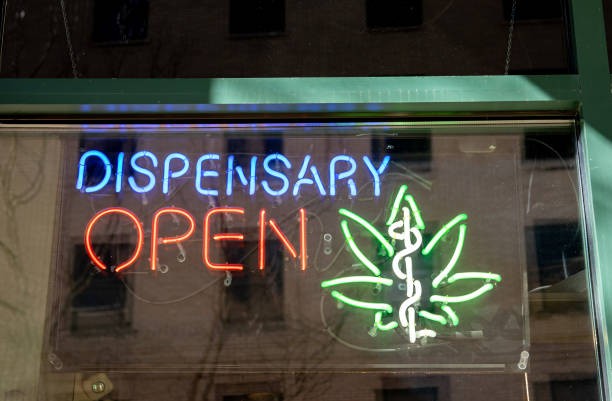
The medical cannabis supply chain is a complex ecosystem that requires precision, efficiency, and compliance with regulatory frameworks. However, various challenges often arise, creating bottlenecks that affect the availability and quality of medical cannabis products for patients. Below, we explore key supply chain challenges and strategies to address them effectively.
Key Challenges in the Medical Cannabis Supply Chain
- Regulatory requirements differ by jurisdiction, making it difficult for producers, distributors, and dispensaries to maintain compliance across regions.
- Changes in laws or guidelines can disrupt operations and require rapid adaptation.
- Ensuring consistent product quality is crucial given the therapeutic nature of medical cannabis.
- Inadequate testing or lack of standardized procedures can result in products that don’t meet safety or efficacy standards.
- Many small to medium-sized cultivators face difficulties scaling up due to limited resources or infrastructure.
- Expanding operations while maintaining compliance is a significant challenge.
- Maintaining a transparent record of the product journey from seed to sale is essential but often hindered by outdated systems.
- Traceability gaps can lead to counterfeit products entering the market.
- Delays in transportation due to stringent protocols can impact the freshness and availability of cannabis products.
- Lack of specialized logistics providers for controlled substances adds complexity.
Strategies to Overcome Supply Chain Challenges
- Adopt Advanced Track-and-Trace Solutions
Implementing technologies like blockchain ensures end-to-end transparency across the supply chain, reducing risks associated with counterfeit products. Blockchain-based systems create immutable records of every transaction while boosting trust among stakeholders. - Invest in Quality Assurance Programs
Regular laboratory testing and compliance with Good Manufacturing Practices (GMP) help ensure product safety and consistency. Partnering with accredited third-party labs adds an additional layer of assurance. - Leverage Automation Technology
Automation tools such as AI-driven inventory management systems can streamline production planning, demand forecasting, and distribution processes. - Foster Collaboration Across Stakeholders
Building strong partnerships between cultivators, processors, dispensaries, logistics providers, and regulators ensures smoother operations. Open communication aligns goals across all levels of the supply chain.
A Quick Comparison: Traditional vs Modern Solutions
| Aspect | Traditional Approach | Modern Solutions |
| Traceability | Manual record-keeping | Blockchain-based digital tracking |
| Quality Testing | Limited on-site checks | AI-assisted lab analysis |
| Compliance Management | Reactive adjustments | Proactive monitoring using analytics |
| Logistics Handling | Generalized transport services | Specialized controlled-substance carriers |
Why Addressing These Challenges Matters
A robust medical cannabis supply chain directly impacts patient outcomes by ensuring timely access to high-quality products. Additionally, improving efficiency helps reduce operational costs while maintaining regulatory compliance—benefiting businesses as well as consumers.
By identifying weak points within the supply chain early on and embracing innovative solutions like blockchain technology or AI-driven systems, dispensaries can provide patients with safe, reliable access to therapeutic cannabis while staying ahead in a rapidly evolving industry landscape.
Discover the Role of a Weed Dispensary Harlem in the Evolution of Medical Marijuana
Medical marijuana has been a topic of significant interest and debate for decades. Its journey from ancient herbal remedies to its current role in modern medicine is a story of cultural shifts, scientific exploration, and regulatory evolution. This section delves deeper into what medical marijuana is, its historical context, and where it might be heading in the future.
Definition of Medical Marijuana
- Cannabidiol (CBD):A non-psychoactive compound known for its anti-inflammatory and anti-anxiety properties.
Each form is prescribed based on the patient’s specific condition and needs.
Historical Background
| Era | Event |
| Ancient Times | Cannabis was used in traditional Chinese medicine around 2737 BCE for ailments like gout and arthritis. |
| Ancient Egypt & India | Texts like the Ebers Papyrus (circa 1550 BCE) mentioned cannabis remedies for inflammation. |
| 19th Century | Western medicine embraced cannabis extracts to treat migraines, epilepsy, and muscle spasms. |
| Early 20th Century | Global prohibition began with regulations like the 1937 U.S. Marihuana Tax Act banning its usage. |
| Late 20th Century | Activism led to re-evaluation; California legalized medical use with Proposition 215 in 1996. |
Throughout history, societal perceptions have fluctuated between medicinal reverence and legal prohibition.
Current Trends in Medical Marijuana Usage
- It is now approved to treat conditions such as chronic pain, epilepsy (e. g. , Dravet Syndrome), multiple sclerosis spasticity symptoms, chemotherapy-induced nausea/vomiting (CINV), among others.
- Several countries have legalized or decriminalized its medical usage—examples include Canada fully legalizing cannabis in 2018.
Emerging research focuses on isolating specific cannabinoids or terpenes for tailored treatments targeting immune disorders or neurological conditions.
Future Projections
- Technological Integration:Innovations like AI-driven strain recommendations personalized by genome markers will emerge.
- Pharmaceutical Development:Enhanced cannabinoid-based medicines could rival opioids without risks inherent therein.
- Global Market Expansion:Analysts project exponential growth as more nations adopt comprehensive legalization frameworks by addressing stigma barriers universally.
The interplay between evolving scientific discoveries combined w/ public-health-focused governance ensures continued relevance globally moving forward
Unveiling the Role of a Marijuana Dispensary in Harlem: History, Definition, and Future Trends
Medical marijuana has emerged as a transformative force in healthcare and wellness, but its journey has been long and complex. Understanding its definition, historical significance, and future potential can provide valuable insights into this evolving industry.
What is Medical Marijuana?
Medical marijuana refers to the use of cannabis or its chemical components—such as cannabinoids like THC (tetrahydrocannabinol) and CBD (cannabidiol)—for therapeutic purposes. It is prescribed by healthcare professionals to alleviate symptoms associated with various medical conditions, including chronic pain, epilepsy, multiple sclerosis, anxiety disorders, and cancer-related side effects.
- THC: Known for its psychoactive effects and ability to relieve pain and stimulate appetite.
- CBD: Non-intoxicating and recognized for its anti-inflammatory and anti-anxiety properties.
- Terpenes: Aromatic compounds that may contribute to therapeutic effects through the “entourage effect” when combined with cannabinoids.
A Brief Historical Overview
Cannabis has been used for medicinal purposes for thousands of years across different cultures.
| Time Period | Usage/Significance |
| Ancient Times | Used in Chinese medicine as early as 2700 BCE for pain relief and inflammation management. |
| Medieval Period | Introduced to Europe for treating ailments like epilepsy, migraines, and nausea. |
| 19th Century | Cannabis-based tinctures became common in Western medicine. |
| 20th Century | Prohibition began due to political factors despite evidence supporting its medical applications. |
| Late 20th Century | Research resurged; the first U.S. state legalized medical cannabis (California’s Prop 215 in 1996). |
Current Trends in Medical Marijuana Use
Medical marijuana is now legal in many regions globally. Its adoption continues to grow due to evolving perspectives on patient care and scientific research.
- Increased Research: Ongoing studies are exploring how specific cannabinoids can treat conditions like PTSD or neurodegenerative diseases.
- Personalized Medicine: Advances in genetic testing are enabling tailored cannabis treatment plans based on individual responses.
- Broader Applications: Beyond managing pain or nausea, cannabis is being investigated for autoimmune diseases, mental health disorders, and even pediatric epilepsy.

Future Projections
- Blockchain solutions may enhance supply chain transparency.
- Artificial intelligence could optimize dosage recommendations based on patient data.
- As more countries legalize medical marijuana at federal levels, accessibility will improve globally.
- Standardized regulations could lead to higher-quality products being manufactured consistently.
- According to market research firms, the global medical cannabis market could exceed $50 billion by 2030.
- Increased investment in R&D by pharmaceutical companies signals long-term opportunities for innovation.
By building on both historical knowledge and modern technology while adhering to ethical guidelines, the medical marijuana industry holds immense potential not only as a therapeutic option but also as a catalyst for broader shifts within healthcare systems worldwide.
How Blockchain and AI Are Transforming Track and Trace Solutions in Dispensary Harlem
The integration of blockchain technology and artificial intelligence (AI) is rapidly transforming the cannabis industry, particularly in the realm of track-and-trace solutions. As dispensaries face increasing regulatory scrutiny and consumer demand for transparency, these innovative technologies offer efficient, secure, and scalable tools to enhance operations.
How Blockchain is Transforming Track-and-Trace Systems for a Recreational Dispensary Harlem
Blockchain is a decentralized ledger system that records transactions across multiple computers to ensure transparency, security, and immutability. Its adoption in dispensaries addresses the critical need for precise product tracking from seed to sale.
- Enhanced Transparency: Each step in the supply chain can be recorded on a blockchain ledger, making it accessible to authorized parties. This ensures that stakeholders — from growers to distributors to consumers — can verify the authenticity and journey of cannabis products.
- Improved Product Safety: Blockchain allows dispensaries to track product origin, cultivation methods, testing results, and compliance certifications. This reduces the risks related to contamination or mislabeling.
- Fraud Prevention: The immutable nature of blockchain makes it nearly impossible for bad actors to tamper with records or introduce counterfeit products into the supply chain.
AI-Powered Innovations in Cannabis Tracking
AI complements blockchain by introducing advanced analytics and automation capabilities into track-and-trace systems. Dispensaries leveraging AI can better manage inventory control, predict market demand, and ensure compliance with evolving regulations.
- Demand Forecasting: By analyzing sales data and market trends, AI algorithms predict future consumer behavior. This helps dispensaries optimize inventory levels while reducing waste.
- Anomaly Detection: Machine learning models can identify irregularities within supply chains — such as missing records or potential compliance violations — allowing businesses to address issues proactively.
- Streamlining Operations: Smart algorithms automate repetitive tasks like updating compliance logs or generating real-time reports for regulators.
Synergy Between Blockchain and AI
When combined, blockchain and AI create robust track-and-trace ecosystems that go beyond basic functions of tracking cannabis products. Together they enable features like predictive analytics built on secure data streams shared across stakeholders.
| Feature | Blockchain Contribution | AI Integration |
| Supply Chain Transparency | Immutable transaction records | Predictive insights into logistical gaps |
| Regulatory Compliance | Secure storage of test results | Automated flagging of non-compliance |
| Fraud Prevention | Tamper-proof documentation | Identifying patterns indicative of fraud |
Real-World Applications
- Blockchain-Based Platforms: Software like IBM Food Trust has paved the way for similar systems tailored specifically for cannabis tracking.
- AI-Powered Compliance Checkers: Dispensaries are adopting platforms equipped with machine learning models trained on state-specific regulations.
Overcoming Industry Challenges
While promising, implementing these technologies comes with challenges such as high costs associated with system deployment or lack of industry-wide technological standardization.
- Collaborative partnerships between technology providers can reduce implementation costs through shared resources.
- Governments should prioritize fostering interoperability by establishing clear technical guidelines for cannabis traceability systems.
By leveraging both blockchain’s secure infrastructure and AI’s analytical power, dispensaries are not only improving operational efficiency but also boosting patient trust through enhanced transparency at every stage of their supply chain.
Ensuring Regulatory Compliance in the Medical Cannabis Supply Chain to Secure Patients
The medical cannabis industry operates under strict regulatory frameworks to ensure patient safety and product quality. Compliance with these regulations is critical for dispensaries, cultivators, manufacturers, and distributors. Below is an exploration of key compliance areas and strategies to maintain legal and operational integrity.
Key Areas of Compliance
- Obtaining proper state licenses for cultivation, manufacturing, distribution, and retail operations.
- Regular renewal of licenses according to jurisdictional timelines.
- Adhering to mandatory third-party lab testing for potency levels, contaminants (pesticides, heavy metals), and microbial presence.
- Ensuring each product batch meets the required safety standards before reaching patients.
- Including child-resistant packaging as per regulations.
- Clearly displaying information such as THC/CBD content, dosage instructions, batch numbers, and warning labels.
- Maintaining accurate inventory records using seed-to-sale tracking systems.
- Reporting discrepancies promptly to regulatory authorities.
- Securing patient information in compliance with Health Insurance Portability and Accountability Act (HIPAA) requirements.
- Implementing encryption protocols for digital patient records.
Strategies To Ensure Compliance
- Invest in Training Programs: Educate employees on local regulations through regular training sessions. This ensures they are equipped to handle compliance-sensitive tasks like customer education or inventory updates.
- Implement Seed-to-Sale Software Solutions: These systems help monitor cannabis from cultivation to final sale while automating compliance tasks such as tracking batch numbers or generating state reports.
- Stay Updated on Regulatory Changes: Regulations often evolve within the medical cannabis industry due to new research or government policies. Assign a dedicated compliance officer or partner with legal consultants to stay informed.
- Conduct Internal Audits Regularly: Proactively identifying gaps in processes can help dispensaries avoid penalties or operational disruptions during official inspections.
Benefits of Regulatory Compliance
| Benefit | Impact |
| Patient Safety | Reduces risk of contaminated products reaching patients |
| Legal Protection | Minimizes chances of fines or shutdowns due to non-compliance |
| Enhanced Reputation | Builds trust among patients by demonstrating commitment to safety |
| Streamlined Operations | Efficient systems reduce manual errors in inventory and reporting |
Challenges in Meeting Regulatory Standards
Dispensaries often face unique challenges while navigating complex regulatory landscapes: – Fragmented laws across states make it difficult for multi-location businesses. – High costs associated with implementing track-and-trace technology or maintaining testing protocols. – Risk of non-compliance due to insufficient staff awareness or human error.
By adopting proactive measures such as leveraging technology solutions and fostering a culture of accountability within the organization, these challenges can be mitigated effectively without compromising patient care standards.
Addressing Traceability Issues in Dispensaries with PharmaTrace Solutions
Traceability is a critical component in the medical cannabis industry, ensuring that products are safe, compliant, and reliable for patients. Dispensaries face unique challenges when it comes to maintaining accurate records of cannabis products throughout their lifecycle. This includes sourcing, processing, distribution, and retail. Leveraging innovative technologies like PharmaTrace solutions can help mitigate these traceability challenges while fostering transparency and accountability.

Common Traceability Challenges in Dispensaries
- Fragmented Data:The absence of centralized systems creates gaps in data sharing between growers, suppliers, manufacturers, and dispensaries.
- Regulatory Complexities:Regulatory frameworks vary significantly across jurisdictions, making it difficult to uniformly track compliance requirements for product labeling, potency testing, and batch tracking.
- Human Error:Manual data entry increases the likelihood of inaccuracies in inventory records or patient information management.
- Product Recalls:Inadequate traceability can delay or complicate product recalls when contamination or mislabeled products are discovered.
The need for a robust system to resolve these issues is evident.
How PharmaTrace Solutions Address Traceability Problems
PharmaTrace provides an advanced blockchain-enabled platform designed specifically for improving traceability within regulated industries like medical cannabis.
- End-to-End Tracking
PharmaTrace enables dispensaries to monitor every stage of the product lifecycle—from cultivation and processing to patient distribution—through a single integrated platform. - Blockchain Security
Utilizing blockchain technology ensures that every transaction and record is immutable and transparent. This minimizes fraud risks while building patient trust in the safety and authenticity of cannabis products. - Regulatory Compliance Management
With customizable workflows tailored to regional regulatory requirements, PharmaTrace ensures dispensaries stay compliant by automating processes like: - Batch tracking
- Quality assurance checks
- Real-time reporting for audits
- Improved Inventory Management
By integrating inventory systems with real-time data from suppliers and manufacturers, dispensaries can reduce instances of oversupply or shortages while maintaining accurate stock levels. - Recall Readiness
In case of contamination or compliance violations requiring recalls, PharmaTrace allows swift identification of affected batches and precise communication with stakeholders—including patients—to minimize risk.
| Feature | Benefits | Impact on Dispensary Operations |
| Blockchain Integration | Tamper-proof data storage | Builds trust among regulators & patients |
| End-to-End Visibility | Tracks products from seed-to-sale | Reduces operational inefficiencies |
| Automated Compliance | Provides real-time audit trails | Ensures consistent legal adherence |
| Recall Response Tools | Identifies affected batches quickly | Prevents reputational damage |
Benefits for Patients and Dispensaries
The implementation of PharmaTrace solutions not only benefits dispensary operations but also enhances patient outcomes by ensuring access to high-quality cannabis products that are safe and effective.
- Patients gain confidence knowing their medications are sourced from trusted supply chains.
- Dispensaries streamline operations by reducing manual errors and improving inventory accuracy.
- Tracking tools allow evidence-backed recommendations for specific strains or doses based on verified data.
By addressing traceability challenges head-on with platforms like PharmaTrace, dispensaries can position themselves as reliable partners in delivering quality care to medical cannabis patients while adhering to an ever-evolving regulatory landscape.
The Role of Dispensaries in Supporting Patients with Chronic Diseases Through Cannabis
Dispensaries play a vital role in improving the lives of patients dealing with chronic diseases by offering tailored access to medical cannabis. These establishments serve as critical intermediaries between patients and therapeutic cannabis products, providing essential education, resources, and support. Below is a closer look at how dispensaries contribute to the care and well-being of chronic disease patients.
Providing Tailored Product Recommendations
Chronic diseases such as arthritis, multiple sclerosis, epilepsy, and cancer often require individualized treatment plans. Dispensaries assist patients by recommending specific cannabis strains or formulations based on their conditions.
- Pain Management: Indica-dominant strains or CBD-rich products may be recommended for chronic pain relief.
- Inflammatory Conditions: Products high in CBD or balanced THC:CBD ratios can help reduce inflammation linked to autoimmune disorders.
- Sleep Disorders: Cannabis products designed with sedative properties are commonly advised for insomnia related to chronic illness.
By understanding the unique needs of each condition, dispensary staff can guide patients toward effective options.
Educating Patients on Safe Usage
One of the critical functions of dispensaries is educating patients about proper usage to maximize benefits while minimizing risks.
- Correct dosing methods (e. g.
- Timing and frequency of doses
- Potential side effects
- Drug interactions with other medications
For example, a patient new to medical cannabis may start with micro-dosing under the guidance of dispensary staff to assess tolerance before increasing potency or dosage levels.
Offering Access to Diverse Product Forms
Dispensaries stock an extensive array of cannabis-derived products tailored for different health needs and preferences.
| Product Form | Benefits for Chronic Disease Management |
| Tinctures & Oils | Easy dosing; rapid absorption; versatile consumption |
| Topicals | Localized relief from pain or inflammation without psychoactivity |
| Edibles | Long-lasting effects suitable for sustained symptom management |
| Capsules & Tablets | Convenient for precise dosing |
| Vaporizers & Inhalers | Rapid onset; useful for breakthrough symptoms |
This variety ensures that patients can select options most compatible with their conditions and lifestyles.
Emotional Support Through Compassionate Care
Chronic diseases often take an emotional toll on individuals, leading to anxiety or depression. Many dispensaries offer a welcoming environment where trained staff provide empathetic care. Additionally, some dispensaries connect patients with community support groups or informational sessions aimed at fostering solidarity among those facing similar health challenges.
Addressing Accessibility Barriers
Dispensaries strive to make medical cannabis accessible to all eligible patients by addressing financial and logistical barriers.
- Discount programs for low-income individuals
- Delivery services for homebound patients
- Consultation appointments via telemedicine platforms
- Advocacy efforts aimed at improving local access laws
These measures ensure that even vulnerable populations can benefit from medical cannabis treatments.
By supporting chronic disease patients through education, customized care plans, diverse product offerings, and compassionate service models, dispensaries have positioned themselves as integral components in the broader healthcare ecosystem. As research into medical cannabis continues to expand its potential applications, dispensaries will remain essential in bridging science-based solutions with patient-centered care practices.
- Exploring Marijuana Laws and Their Impact on a Weed Dispensary Harlem Residents Trust
- The Impact of Recreational Cannabis Sales on Local Economies: Insights from Dispensary Harlem
- Overcoming Supply Chain Challenges for a Cannabis Dispensary in Harlem
- Ensuring Regulatory Compliance and Patient Safety at a Weed Dispensary Harlem
- Exploring the Economic Benefits a Cannabis Dispensary Harlem Brings to Local Communities
- How Recreational Cannabis Sales at a Weed Dispensary Harlem Are Shaping Local Economies